—— 8 short video lessons · 10 email templates · full launch kit · one-off £39 ——
Sold-Out Mini Sessions
Plan, price and fill your dates
My mini sessions sell out to a waitlist within hours of ONE email.
Minute for minute, they're the most profitable photography I do.
This course hands you that system, step by step, built from ten years of running my own sell-out sessions.
✓ Plan a mini-session event clients book the moment it's announced
✓ Price it so minis become your most valuable work, not your cheapest
✓ Fill your dates with the five-email launch that sells out a diary in a morning
Whatever you shoot, wherever you shoot it: families or headshots, a park or a studio, Christmas, Autumn or Spring.
If you run mini sessions, this system fits.
£39 · one-off payment · everything included
Secure Checkout Via Podia
—— A brilliant rinse and repeat system ——
“I used to sell out my summer mini sessions by throwing up a post on instagram, but in recent years that has just stopped working. I bought the course to see if it would help and it was an eye-opener. Fourteen years of running minis and I never once thought to build an email list or have a rinse and repeat marketing system I could use season after season. I absolutely loved it and I am buzzing to launch my next minis! Highly recommend!”
— LH, September 2026 —
—— My Sell-Out System, developed over a decade, taught to you in an afternoon——
4 HOURS
How long my minis take to sell out to the waitlist after the launch email

4-6 WEEKS
The minimum amount of time it takes to build a waitlist and market your minis
10 YEARS
Of running and refining my sell-out mini sessions which I run twice a year

The Problem
There's a right way and a wrong way to run mini sessions.
I did it the wrong way first.
When I started out, my minis were £75, available whenever anyone fancied one, and booked by the clients who valued my work the least. I was busy, I was tired, and I was barely earning a thing.
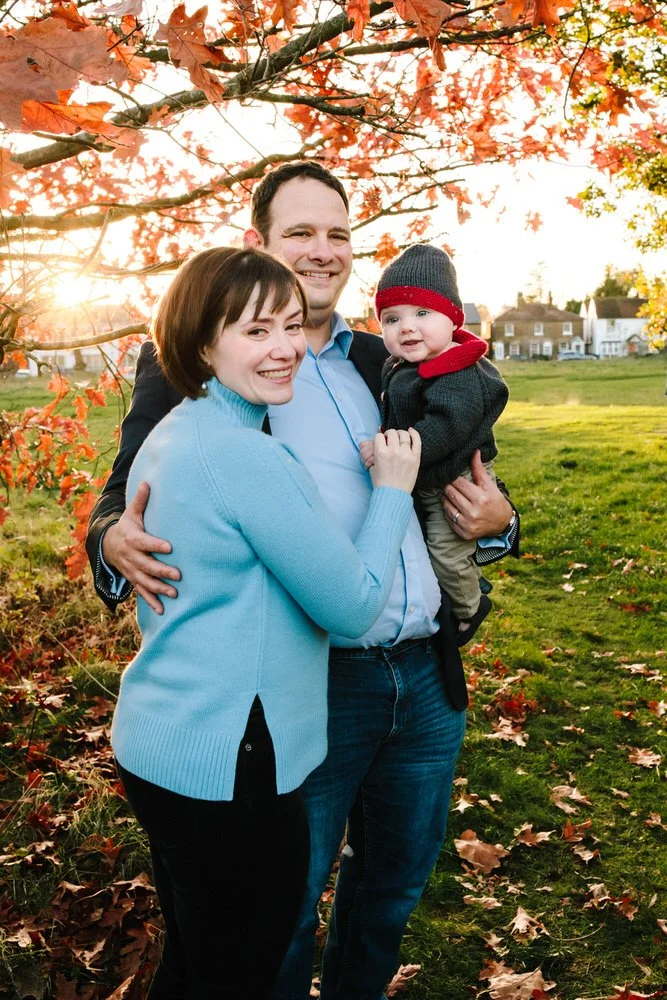
These days my mini sessions sell out to a waitlist, most of them within hours of one email. Minute for minute, they're the most profitable photography I do.
Same photographer. Same park. A completely different model.
Because when minis don't work, it's rarely the photos, the market or the price on its own. It's the model: sessions that are always available, priced to feel safe, and announced when the date is already close to a cold audience who don’t like, know or trust you. Fix the model and the dates fill.
—— The Four Tests ——
Every profitable mini session passes four tests.
1
MINI Short and tightly defined. Long enough that nobody feels rushed, short enough to stay honestly mini.
2
STACKED Many sessions, one day or one weekend, one location. That's where the profit lives.
3
LIMITED A set window with a clear end. Never an always-available offer.
4
PRICED FOR PROFIT
As a guide, your mini should cost more per minute than your main session, not less.
A mini is never a discount.
Secure checkout via Podia · Start today · Updates included for as long as the course is live
—— Eight lessons, all under ten minutes ——
What you will learn
The wrong way and the right way.
The £75 mistake, the clients it attracted, and the "they'll book the big session next time" theory I've never once seen work.
The launch is the marketing event
You want your clients to book minis the moment they're announced, a good few weeks BEFORE your minis take place
Build your offer
Date, place, format, length, slots, designed on one page, with the AI prompt that interviews you and tests your plan.
Price it for Profit
My real numbers worked through, the three-payment machine, and the per-minute test your price has to pass.
Build the waitlist
How to get people onto your email list, what to do if nobody's signing up, and the low-down on just how many sessions to offer.
Launch Week
My exact launch, day by day: the 48-hour waitlist head start, the 7am release, and the five emails that each do one job.
How to run your minis
How many shoots to do in one day, the on-time rule, the sacred buffer, and what to do if there’s a problem.
After the shoot
Batch the editing, send galleries that deliver joy first, let the upsell ride along, and start next season while this one's photos are still open on the screen.
—— Where this ends up ——
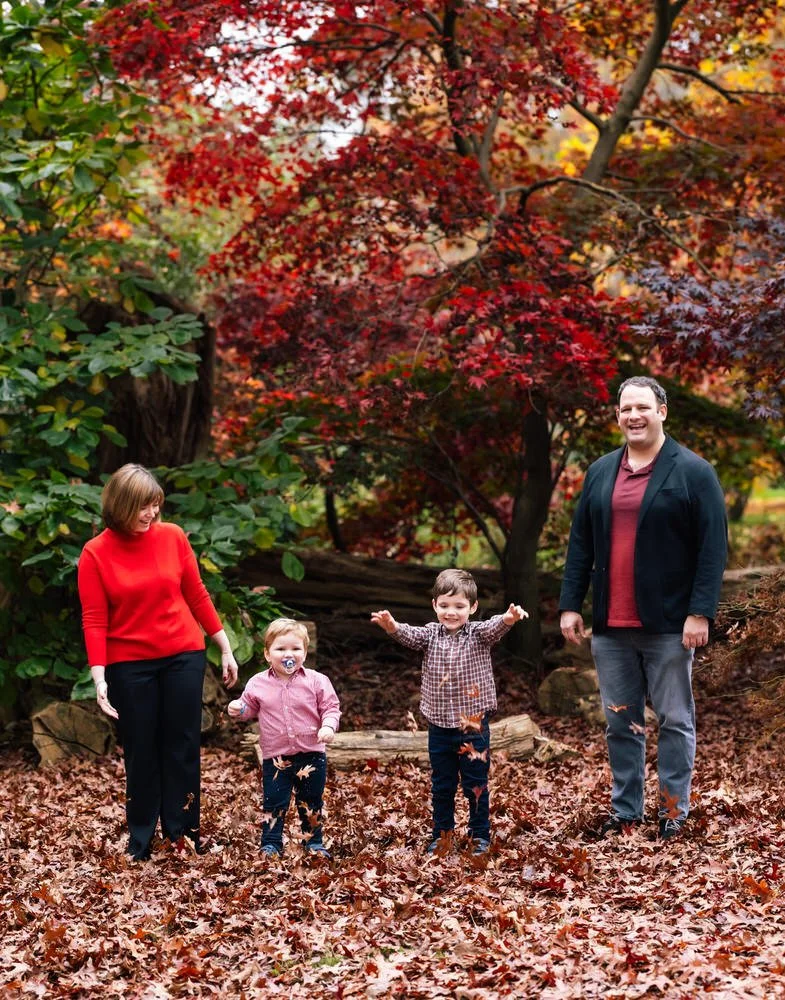
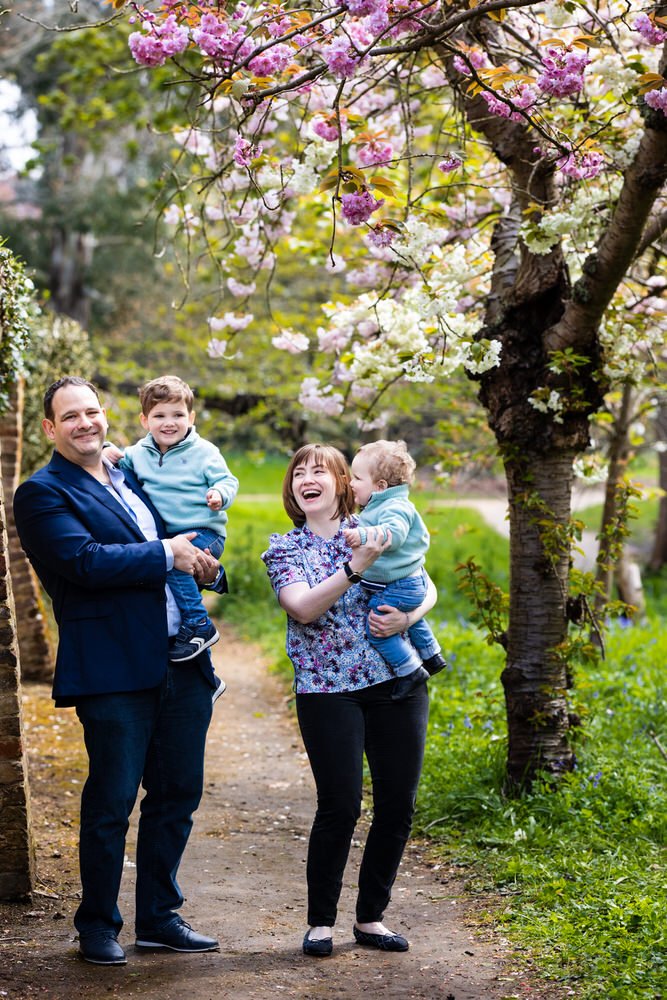
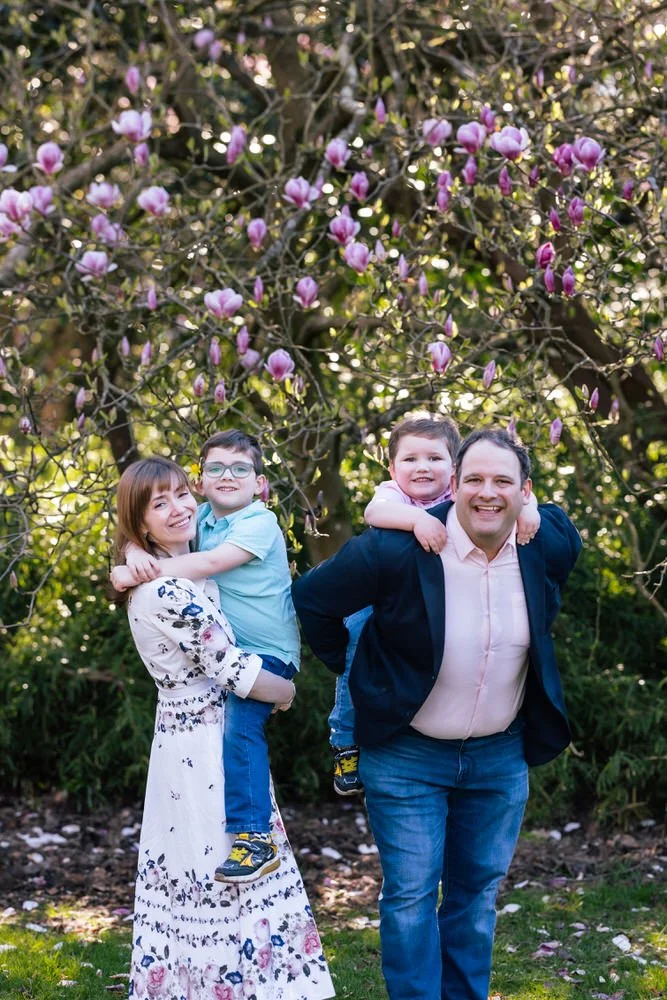
Imagine booking morning
It's 7am, the day your minis bookings open.
The waitlist is primed and they’re ready and waiting at their computers, hitting that refresh button ready to book the second your email hits their inbox.
You press send and put the kettle on.
By 10am most of the slots are gone.
Your price is right, so every booking is a proper booking.
The day itself is already planned.
The gallery email is written, before you’ve done any shoots, with the upsell riding alongside it and a plan to get your next lot of minis in the diary.
That's not a good year. That's the model, and it runs the same every season.
—— Any genre. Any setting ——
Who it's for: Any photographer who wants a diary that fills itself, for a day or a weekend, season after season.
It works for family minis in a park and headshot minis in a studio. Newborn, couples, pets, products. Autumn, Spring, Christmas, a January headshot week. Outdoors with a weather plan, or indoors without needing one.
And it works at any stage. Your first paying clients, without discounting your way there. A full diary in a quiet season. Or a low-risk way to test a new location with a full day of clients instead of just one.
If you run mini sessions, or you want to, this is built for you.
Secure checkout via Podia · Start today · Updates included for as long as the course is live
—— Everything you get ——
Sold-Out Mini Sessions: Plan, Price and Fill Your Dates
Eight short video lessons, all under ten minutes, and the full launch kit I use for my own minis:
The Four Tests card: the system every profitable mini session passes
Build Your Offer worksheet, plus the Offer Builder prompt that interviews you and tests your plan
Price It for Profit worksheet, with my real numbers as the worked example, plus the Profit Check prompt
Waitlist Sign-Up Cheat Sheet and the Size Your Offer card
Launch Week Plan card and all ten launch email templates, automated welcome email included
Running the Day Pack: your day plan, client comms, and the weather and sickness policy card
After the Shoot Pack: the gallery email, the rebooking loop, and your launch on one page
The Wrong-Way Checklist to score your minis before you change a thing
The three AI prompts run on Claude's free plan, so there's nothing extra to buy.
£39 · one-off payment
Priced properly, one mini-session booking pays for this course TEN times over!
Secure checkout via Podia · Start today · Updates included for as long as the course is live
—— Why Now? ——
The work happens weeks before the shoot
This is the bit that catches people out. The mini sessions themselves are one day in your diary. The part that decides whether they sell out happens four to six weeks earlier, while you're building the waitlist and warming it up.
Longer, if your email list is starting from scratch.
That's not a rule I've invented to hurry you along. It's just how long it takes for people to hear about your dates, decide they want them, and be sitting there ready on booking morning.
So count back from the dates you actually want:
Autumn family minis in October? You want to be starting in August.
Christmas minis in late November? Start in October.
January headshot minis? That means December, over Christmas, which is exactly why you want the plan written before then.
Spring minis in April? February.
If your next season is already inside that window, you have two options. Run it the way you ran it last time and hope. Or spend an afternoon on this and launch it properly.
And if you've already missed the runway for this season, that's genuinely fine. Better to plan the next one now, with time, than to throw dates up in a fortnight and wonder why nobody booked.
Eight lessons, all under ten minutes. You could watch them today and have your own launch planned on one page by the weekend.
Secure checkout via Podia · Start today · Updates included for as long as the course is live
—— Before You Ask ——
Great Questions, Honest Answers
-
Sold-Out Mini Sessions: Plan, Price and Fill Your Dates is a self-paced online course for photographers who want to plan, price and sell out mini sessions. It's taught by Kirsty Hamilton, a London family photographer who has run seasonal mini sessions for years, and it covers the full system: designing the offer, pricing it for profit, building a waitlist, launching by email, running the day and the upsell afterwards. It costs £39.
-
Any photographer who wants mini sessions to be a profitable, repeatable event. If you're newer, it's a route to your first paying clients without discounting your way there. If you're established, it's a system for filling quiet dates or testing a new location with a full day of clients instead of one. It works whatever you shoot: families, headshots, newborns, couples or products. And it works in a studio or on location, indoors or out.
-
Both. The course is about the mini session as an offer: how it's defined, priced, launched and followed up, and none of that changes with the setting. My own minis run outdoors in a London park, so the weather planning in Lesson 7 is written for outdoor shoots; if you shoot in a studio, you skip the rain radar and keep everything else. Family, headshot, newborn, couples or product minis all run on the same four tests.
-
Short enough to be honestly mini, long enough that nobody feels rushed. For family sessions, 25 to 30 minutes works well; 45-minute "minis" undercut your main sessions, and 15 minutes tends to leave families feeling hurried. Solo headshot minis can run shorter, around 15 minutes, because you're photographing one adult. The course covers the timing experiments behind these numbers, including the ones that went wrong.
-
More than most photographers think. Mini sessions should never be a discounted taster: cheap minis attract bargain-hunters and cannibalise your main sessions. Priced properly, a mini should cost more per minute of shooting than your main session, with a deposit at booking, the balance before the shoot, and an upsell after the gallery. In the course, Kirsty shares her real prices and shows the sum: with the gallery upsell, her mini works out at nearly twice the price of her hour-long session, minute for minute, and still sells out to a waitlist.
-
Yes, when they're run as a limited event rather than a standing cheap offer. The profit comes from stacking many short sessions into one day at one location, pricing for profit rather than volume, and an upsell that rides in every gallery email. Run the wrong way, always available and under-priced, minis lose money; that's the mistake the first lesson unpacks.
-
By treating the launch, not the shoot date, as the marketing event. Clients book mini sessions the moment dates are announced, so the system is: build an email waitlist first, market for four to six weeks, release booking to the waitlist before the public, and send a short email sequence that leaves nothing to explain by booking morning.
-
Fewer than you think, sized from your email list rather than your ambition. Not everyone on a waitlist books, so plan conservatively on around ten percent of your list booking, and if it's your first time, open just one day: a morning block and an afternoon block. Selling out fast is the goal, because you can always add another day, and an added day sells more easily once people can see the demand.
-
Pick a season your clients already want photos: autumn and spring for families, January for headshots. Start marketing four to six weeks before your shoot dates, longer if you're building your email list from scratch, and give your waitlist a head start of a day or two before booking opens to everyone.
-
Yes. Nothing in the system depends on where you are. You'll set your own price in your own currency using the per-minute test, size your offer from your own email list, and pick the season your clients already want photos. My examples are British, and the weather section assumes British weather, but the model has no postcode.
-
Eight short video lessons (all under ten minutes), and a full launch kit: worksheets for your offer and pricing, the Four Tests card, a waitlist sign-up cheat sheet, ten launch email templates including an automated welcome email, a booking-day plan, a weather and sickness policy card, a gallery email template and a one-page launch plan. There are also three AI prompts that interview you and draft your plans and emails in your own words.
-
No. You'll need an email platform to hold your waitlist, and free plans on tools like MailerLite or Mailchimp are enough to start. The AI prompts in the course run on Claude's free plan, so there's nothing extra to buy. Everything else is your camera, a location you know, and a plan.
-
Fully self-paced, and deliberately practical: each lesson ends with a worksheet, so by the final lesson your own launch is planned on one page with an announcement date in the diary. If your email list needs building from scratch, a realistic runway from starting the course to your first booking day is about six to eight weeks.
-
For as long as the course is live, with every update included. I don't promise lifetime access on anything, because I've been promised it myself and watched courses vanish, and because marketing changes fast enough that a course frozen in time isn't worth much. I'd rather keep this one current and give you the updated version each time.
-
£39, as a one-off payment, with every template and worksheet included. It's taught by Kirsty Hamilton of Kirsty Hamilton Photography, a working London family and vacation photographer, and everything in it is the system she uses for her own sold-out seasonal minis.
—— In case we haven’t met yet ——
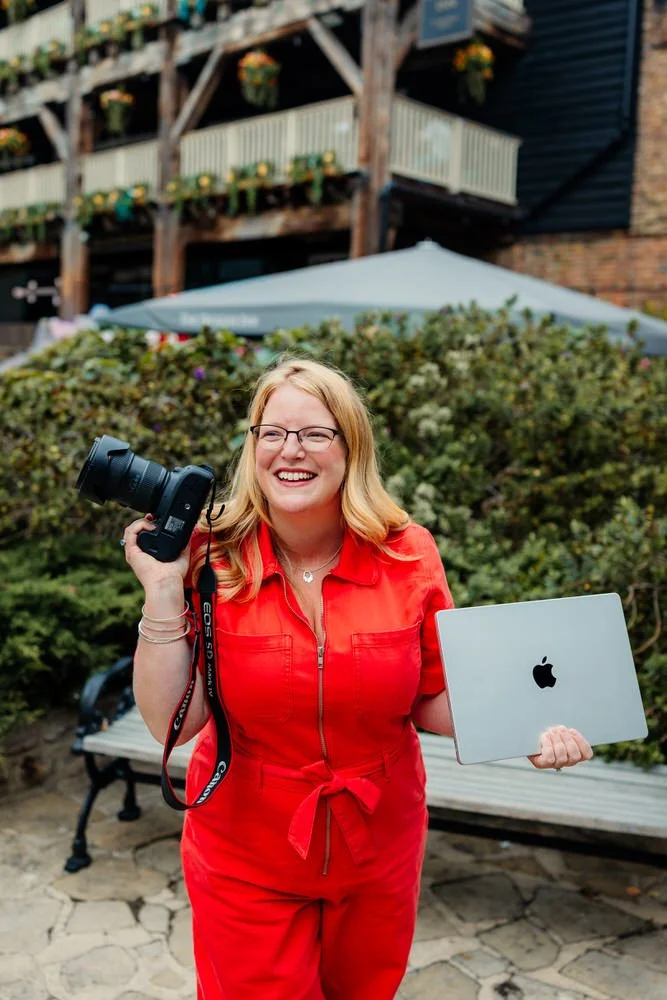
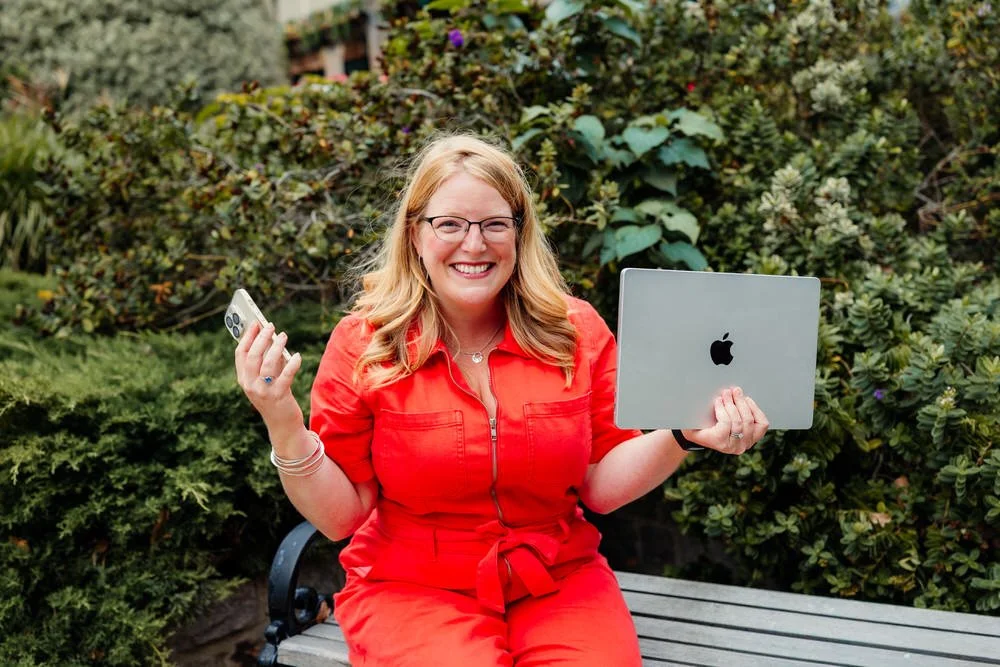
Hi! I’m Kirsty
For fifteen years I was a journalist. I knew how to write words that made people act; what I didn't know was how to make that career fit around two small children.
So at 34 I quit, picked up a camera (in desperation, because being a stay at home mum felt incredibly isolating), and realised I’d found my new passion. I’ve spent a decade figuring out how to get clients, how to get found on Google, and how to build a business that bends to my family instead of against it.
Over a thousand shoots later, it does.
Then, in 2026, I went through nine years of my own business data and found out what was actually true. Where I was winning clients and where I was losing them. And (most importantly) how my business was doing in real time so I could market accordingly.
And I’m passionate about seeing other photographers succeed in the same way.
A brilliant, profitable photography business isn’t something that happens to lucky people, it’s something you can build yourself, and I have the tools to help you do it!